Generator monitoring
Generator Monitoring Parameters: Read Them in Context
Organise generator monitoring parameters by source, timestamp, equipment context and the person responsible for assessing an unusual reading.
By BorrowBox ·
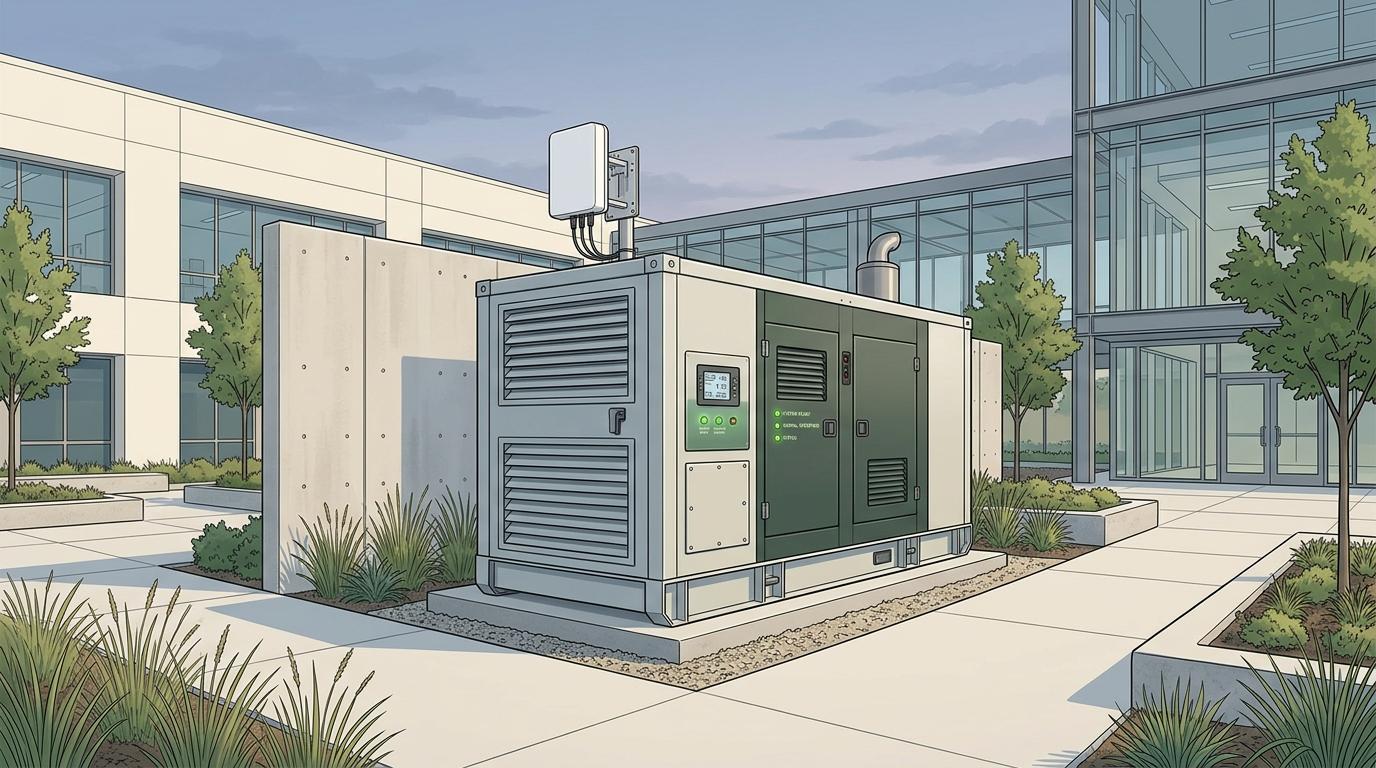
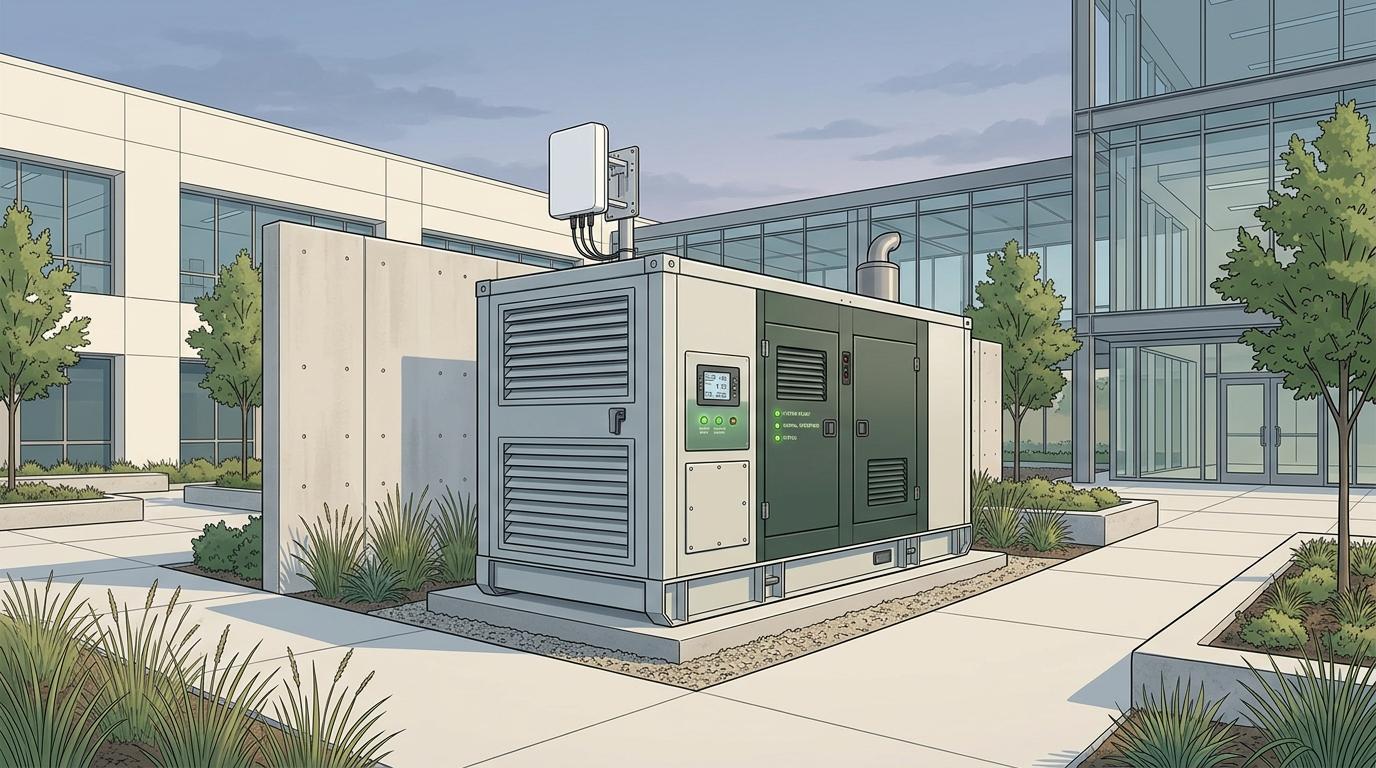
Generator monitoring parameters are the readings and operating states available from a generator's controller, connected sensors or related records. A useful parameter register explains what each value represents, where it comes from and who should assess a change. This guide helps facility teams organise that information without presenting universal operating limits or treating a dashboard value as a diagnosis.
Give generator monitoring parameters a clear definition
For each displayed item, record the name, unit and measurement source. Ask whether it is measured directly, supplied by the controller or calculated by the platform. Keep that explanation with the asset record so that two people reviewing a report understand what the value actually represents.
Include the relevant equipment reference and documentation. A familiar label on two different systems does not establish that the readings have the same source or interpretation. Ask the technical team to clarify the measurements supported by the actual generator and installed monitoring arrangement.
Group readings around operating questions
Organise the register by the decisions the team needs to support. Operating state and available hour records can support a discussion about use. Available electrical readings can be reviewed with the assessed load requirement. Supported engine and fuel measurements can provide information for the relevant service or operations team.
Do not assume that every category is available from every installation. Mark unsupported or unverified readings clearly. A shorter register with known sources can be more useful than a large dashboard whose fields are not understood by the people using it.
Keep time and operating context beside each value
Record when a reading was captured and whether the system identifies stale or missing information. A value displayed now may be the last value received rather than a current measurement. Ask the provider how that distinction is presented and how communication interruptions appear in the history.
Relate the reading to the operating activity where that information is available. A generator awaiting use, supplying a planned activity and being assessed during a service visit are different contexts. Keeping the context visible helps the responsible specialist decide what further information is needed.
Ask how thresholds are selected
Request an explanation of the reference used for any configured alert threshold. The responsible technical personnel should relate the settings to the equipment, its documentation and the assessed application. A generic number found online is not a substitute for that process.
Record who can change settings and how those changes are documented. An unexplained threshold change can make later comparisons difficult. The register should show which version of a setting or measurement definition applies to the period being reviewed.
Make unusual readings actionable
Agree who reviews a relevant change, what information should accompany it and how the outcome is recorded. A notification may lead to a data check, a discussion about operating conditions or a technical assessment. Those are different follow up tasks and should have appropriate owners.
Keep the original reading and the review outcome together. If the cause is not established, retain that uncertainty rather than replacing it with an assumed explanation. The record then supports a more useful conversation when the same observation appears again.
A parameter register to discuss with your provider
- Reading name, unit and measurement source.
- Generator and installed monitoring equipment reference.
- Capture time, update behaviour and treatment of missing values.
- Relevant operating context and technical reference.
- Alert owner, settings authority and recorded review outcome.
Common questions about generator monitoring parameters
Which parameters are essential for every generator?
Define the required information with the technical team for the actual equipment and application. Available readings and the decisions they support can differ between installations.
Can one abnormal reading identify a fault?
A reading can prompt an assessment, but it does not establish a complete cause. The responsible specialist may need the operating context, equipment history and other observations.
Where should alert limits come from?
Ask the technical team to identify the applicable equipment documentation and assessment basis. Record the reference and the person authorised to maintain those settings.
Why does the timestamp matter?
It helps a reviewer distinguish current information from an older received value. Ask how the platform identifies data age, gaps and the recovery of communication.
What if the platform calculates a value?
Ask which measurements and assumptions are used and what limitations apply. Keep the calculation definition with the register so that reports are interpreted consistently.
Who should receive an alert?
Route it to the person responsible for the relevant review and define an escalation path. Receiving a notification is not the same as completing or recording the required follow up.
Make the register part of the operating handover
Use a shared definition for each reading before building reports around it. Clear measurement context gives the site, monitoring provider and service team a common starting point.
Start with the readings and operating decisions your site needs to support. Discuss generator monitoring for your site