Generator monitoring
Smart Generator Management: Connect Data to Action
Build smart generator management around asset records, meaningful monitoring, assigned actions and a shared review process across sites.
By BorrowBox ·
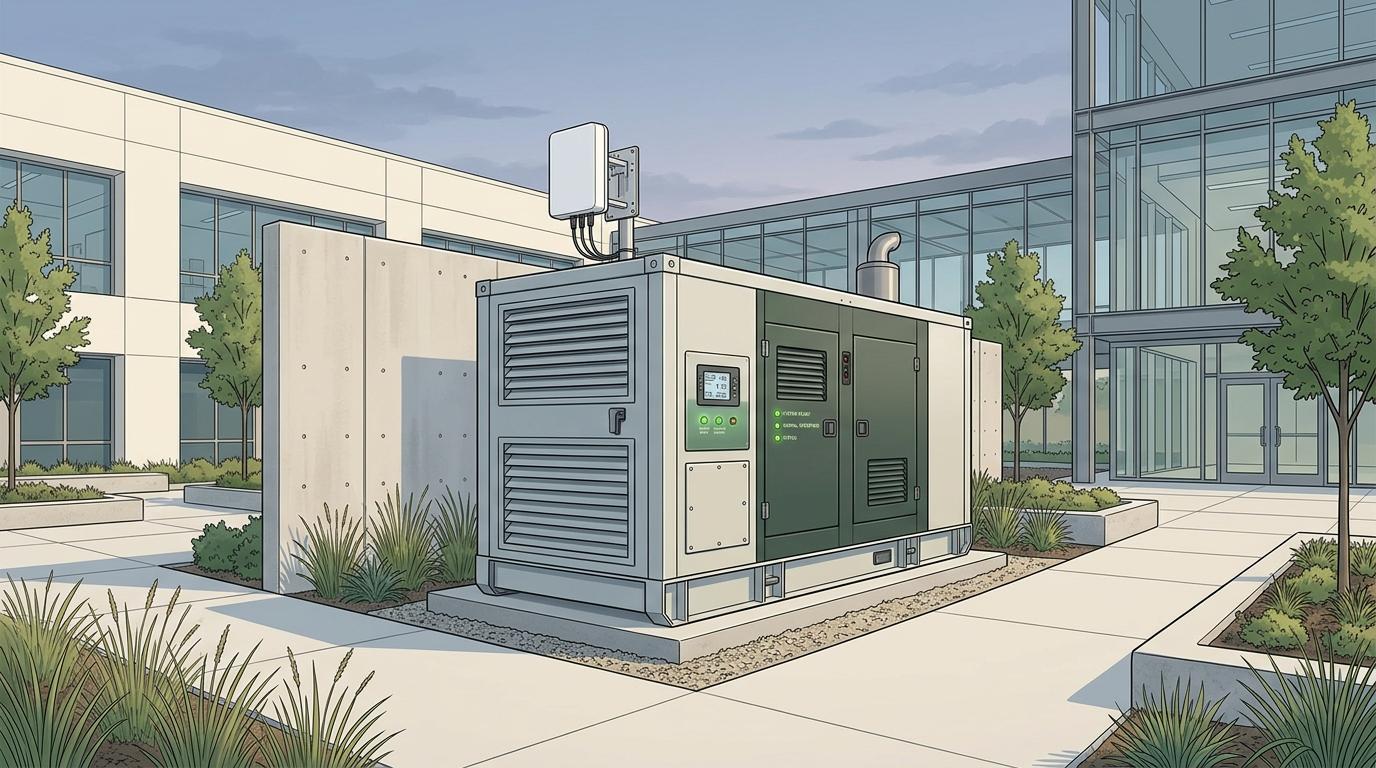
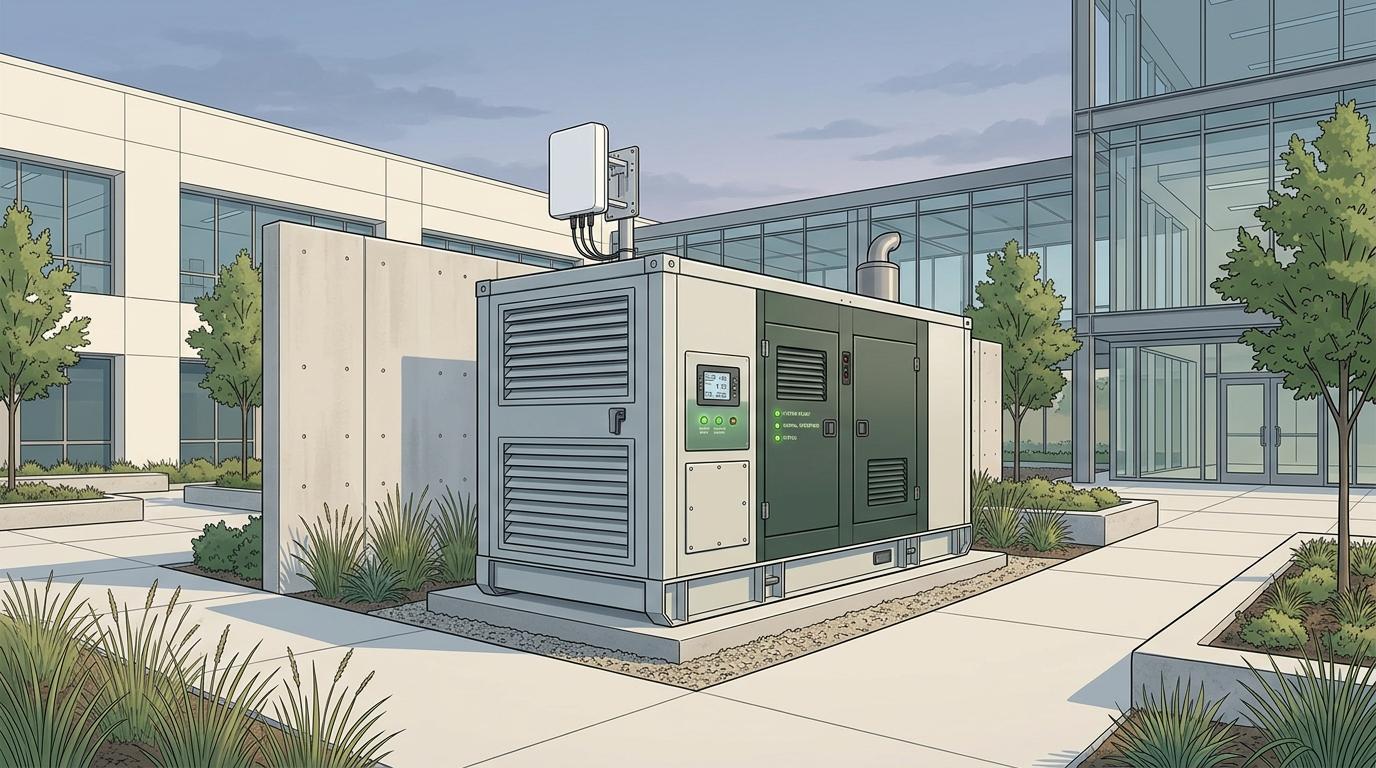
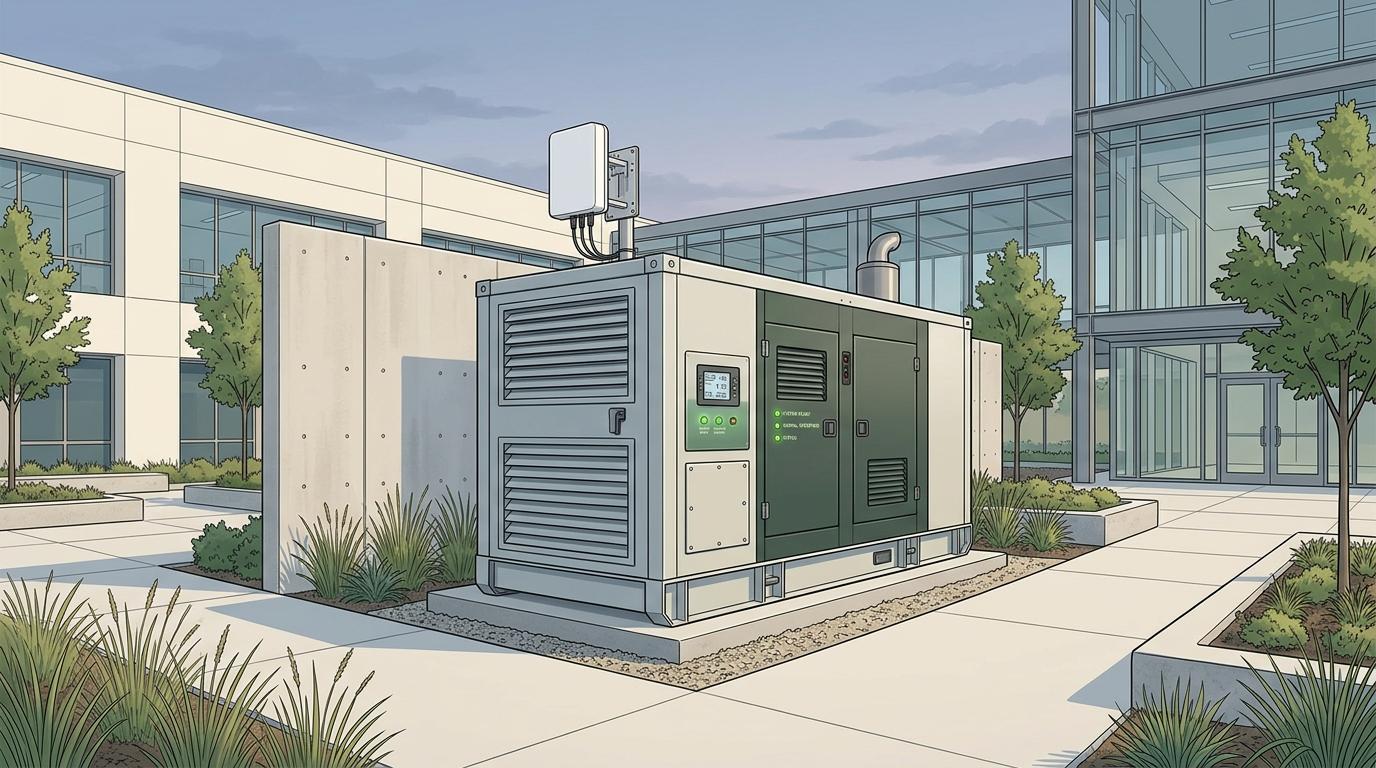
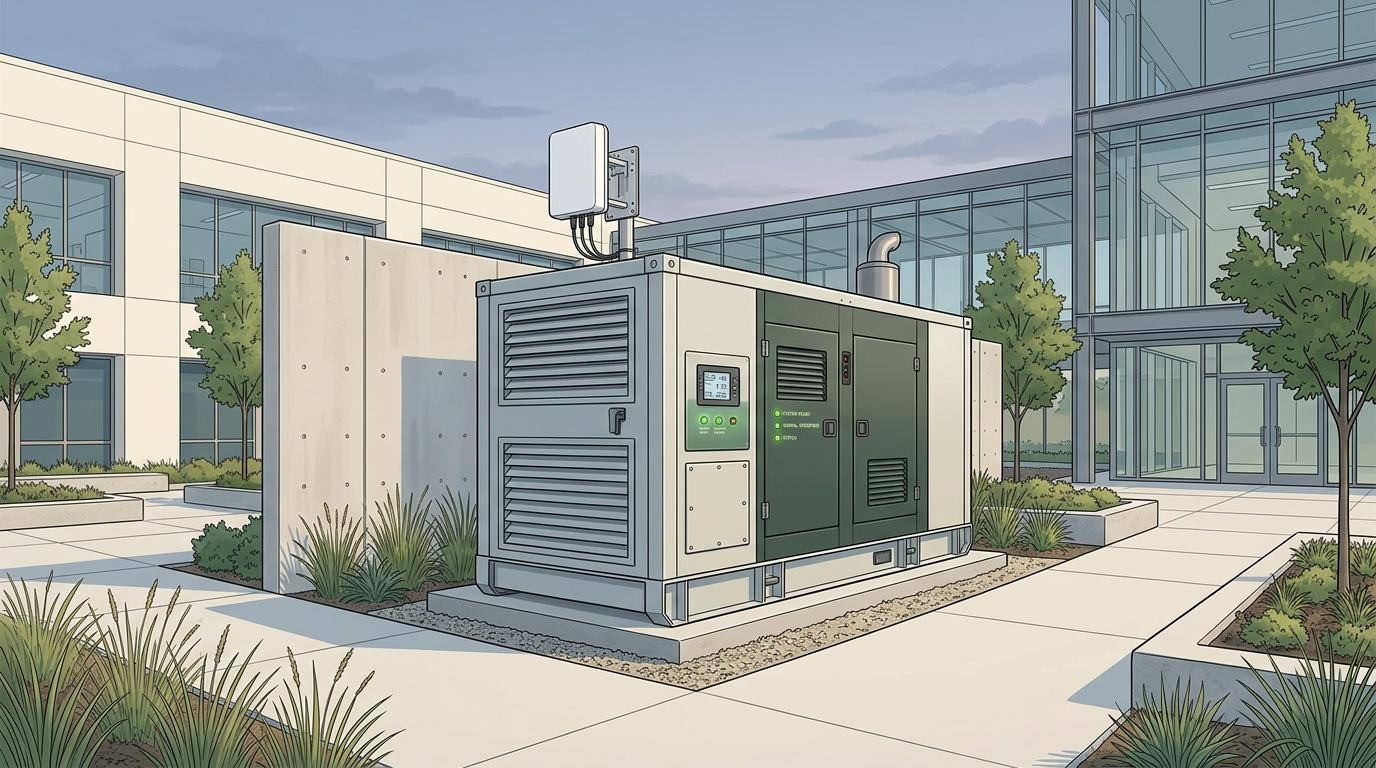
Smart generator management connects asset records and available operating information with a defined process for deciding, acting and following up. Monitoring provides observations; the management process gives those observations an owner and a purpose. For a business overseeing several generators, a useful starting point is one repeatable workflow that the site, service and management teams can understand together.
Start smart generator management with an asset register
Give each generator a stable reference and connect it to its location, operating role and current contacts. Keep relevant service arrangements and available equipment documentation with that reference. A shared dashboard becomes difficult to interpret when the underlying asset record is unclear or duplicated between teams.
Record who owns updates when equipment moves or responsibility changes. The site name, monitoring reference and maintenance record should continue to point to the same asset. Resolve differences in those records before using them to compare sites or assign work remotely.
Choose an operating decision to support
Select a specific task, such as reviewing an event history, preparing for a maintenance discussion or checking whether operating records are complete. Identify the information the task needs and the person who will use it. This makes the first deployment easier to assess than a broad aim to make equipment smarter.
Ask the monitoring provider to identify which supported readings and records can contribute to that task. Include the source, timestamp and limitations of the information. A missing measurement should lead to a clear question about the workflow rather than a field filled with an assumption.
Separate detection, acknowledgement and completion
An alert indicates that a configured condition or event has been reported. Acknowledgement shows that someone has received or reviewed the item. Completion needs a record of the relevant follow up. Treat those as different stages so that a closed notification is not mistaken for a completed technical action.
Agree the route for assigning a task, escalating an unresolved item and transferring responsibility between shifts. Include the service team where the action requires technical assessment. The operating process should state what information returns to the record after that assessment.
Keep service and operating context together
Relate relevant service findings and changes in use to the monitoring history. A repeated alert can be more useful to a reviewer when the record shows which earlier recommendation was completed and which remains open. The history should preserve uncertainty when a cause has not been established.
Keep changes to measurement definitions, configured thresholds and permissions traceable. Ask who can authorise those changes and how the platform records them. Comparisons between periods need to account for a changed setup rather than treating every displayed value as directly comparable.
Expand through a repeatable review
Start with an agreed asset and workflow scope. Review whether the team can identify the relevant information, assign the right person and record an outcome. Capture problems with data availability, unclear responsibilities or missing service context before introducing more assets to the same process.
For a wider programme, use common definitions while retaining local operating details. A central team needs enough consistency to review the programme, and a site team needs a record that reflects its actual equipment and responsibilities. Document which requirements are shared and which need site specific confirmation.
Common questions about smart generator management
Is it the same as installing a monitoring device?
A device can supply supported measurements. A management process also needs an asset record, defined responsibilities, a route for action and a record of the outcome.
Should every available reading become an alert?
Define the decision and responsible owner first. Ask the technical team which configured conditions are relevant and how the recipients should assess and record their response.
Can software diagnose every equipment issue?
Available data can support assessment, but a technical conclusion may need other observations and equipment history. Keep the limits of the data clear in the operating process.
What makes a task complete?
Define the required outcome for that type of task. Acknowledging a notification, arranging an assessment and completing a service action should have distinguishable records.
How should several sites be introduced?
Use a defined initial scope and review the workflow before expanding. Confirm the asset identity, available information, connectivity and responsible contacts for each additional site.
Which records should management review?
Review unresolved actions, data gaps and completed outcomes alongside available operating information. A report is more useful when it shows what remains uncertain and who is responsible for following up.
Start with a workflow the team can finish
Choose one operating decision, connect it to supported information and record what happens next. Expand the programme when the people involved can use that process consistently.
Start with the readings and operating decisions your site needs to support. Discuss generator monitoring for your site