Generator rental
Generator Rental Checklist: From Enquiry to Collection
Use this generator rental checklist to review the power brief, quote assumptions, site dependencies, support responsibilities and collection records.
By BorrowBox ·
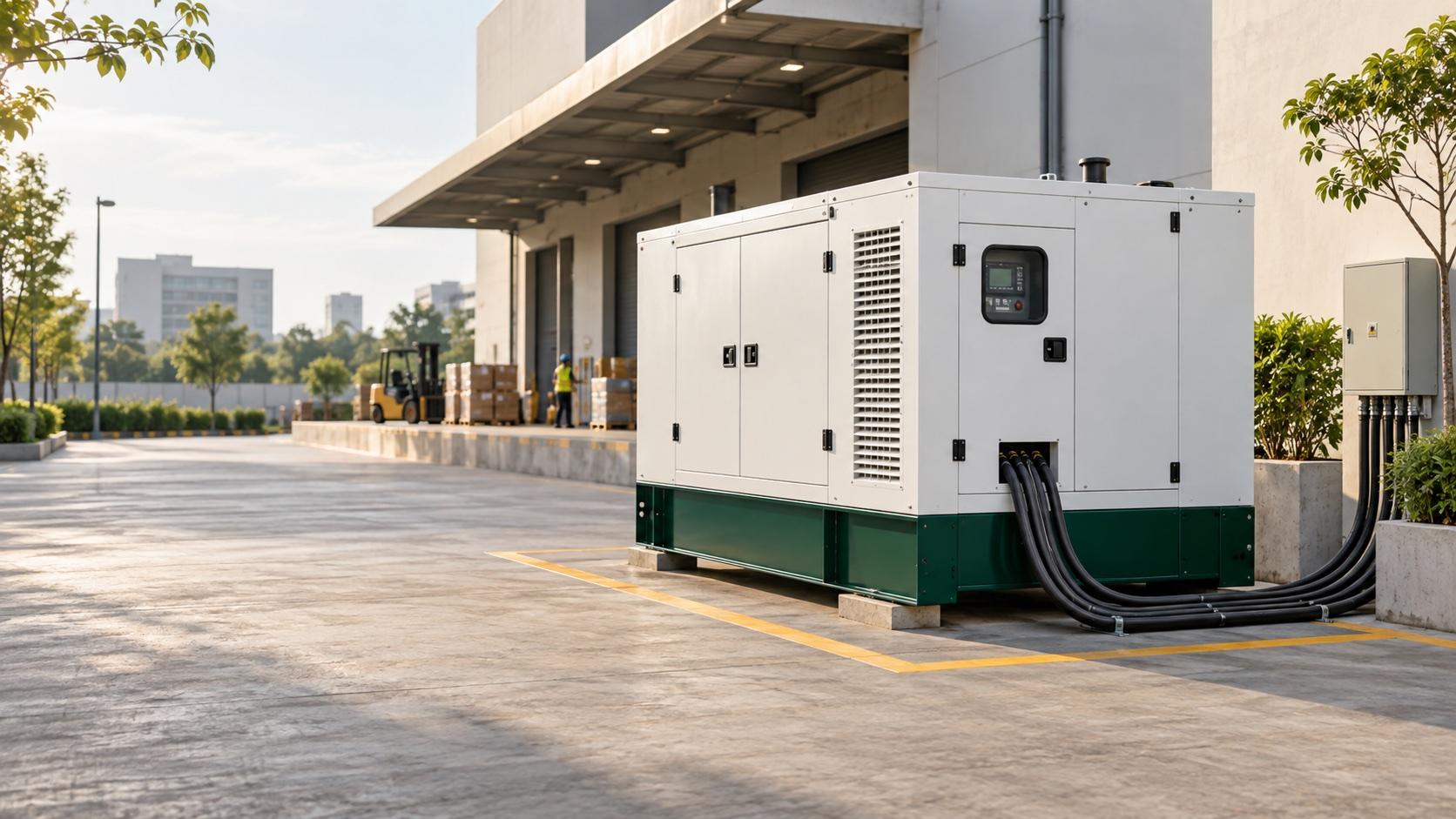
A generator rental checklist helps procurement and site teams confirm that the power brief, commercial proposal and operating responsibilities describe the same arrangement. Use it as a record of questions, evidence and ownership. The checklist supports the technical assessment of the actual equipment and location; it does not replace that assessment or establish a universal generator size for a site.
Give the generator rental checklist a shared reference
Put the project, site, rental enquiry reference and current contacts at the top. Keep the revision date visible. A checklist shared between purchasing, operations and a rental provider should identify which version of the requirement each team is confirming.
Use separate fields for the question, the confirmation received and the owner of any follow up. A tick without its supporting information can conceal an unresolved assumption. Mark an item awaiting assessment or provider confirmation accurately rather than closing it to complete the document.
Check the power and operating brief
Collect the available equipment list, relevant ratings and expected operating pattern. Include changes anticipated later in the programme and identify missing information. Ask the appropriate electrical professional and rental team to assess the proposed generator and associated power arrangement against that brief.
Record the assessment reference and the questions still open. The procurement checklist should make those dependencies easy to find. It should not turn a guessed equipment total into a technical approval merely because the enquiry form requires a capacity field.
Review the commercial scope line by line
Ask the quotation to identify equipment hire, logistics, installation arrangements, fuel responsibilities, operating support, maintenance and collection. Compare the same scope across proposals. Keep confirmed amounts distinguishable from estimates or items requiring a later quotation.
Check how the agreement handles operating allowances, extensions, location changes and earlier collection. Record the relevant contact and authorisation route. These questions are easier to manage before booking than when a changed project programme already depends on the equipment.
Confirm the site dependencies
Give the provider current access and location information and ask what is needed to assess transport, handling and the proposed operating area. Identify the responsible people for installation and distribution arrangements. Keep anything depending on another contractor visible in the readiness record.
Ask the relevant teams to confirm the applicable site and equipment requirements. The checklist should record their assessment and responsibilities rather than reproduce generic installation instructions. Update the record if the equipment location or work programme changes before deployment.
Plan operation and collection together
Identify who keeps operating records, coordinates fuel requests, arranges service access and reports an incident. Keep current support contacts available to the people managing the site across shifts. Ask how confirmed updates and changes to the arrangement are recorded.
Set out the collection request and handover process as well. The site team should know how to confirm the final location, access contact and closing records. Retain outstanding actions with an owner so that equipment collection and commercial closure can be followed through separately.
A practical checklist to take to the enquiry
- Current site identity, contacts and requirement revision.
- Equipment list, operating programme and technical assessment reference.
- Complete commercial scope and assumptions requiring confirmation.
- Access, installation and other deployment dependencies.
- Fuel, service and incident communication responsibilities.
- Extension, change approval and collection arrangements.
Common questions about a generator rental checklist
Who should complete the checklist?
Give it a named owner who coordinates inputs from purchasing, the site and relevant technical teams. Different items can need confirmation from different responsible people.
Does a completed checklist approve the technical setup?
No. It records the relevant assessment and confirmations. Equipment selection, installation and operating suitability remain decisions for the appropriately qualified people and applicable site processes.
What if the provider cannot confirm an item yet?
Keep it open and record what information or assessment is needed next. Assign an owner so that an unanswered question does not become an assumed inclusion in the quote.
Should fuel be part of the checklist?
Yes. Ask who plans the requirement, purchases fuel, coordinates delivery and maintains the agreed records. The actual responsibilities should be confirmed in the rental and operating arrangement.
When should the checklist be updated?
Update it when the operating programme, equipment requirement, site conditions or commercial scope changes. Keep the current version available to the people relying on the arrangement.
What makes a checklist useful after the rental?
The confirmations and closing records provide a reference for the next enquiry. Review unresolved issues and update the questions instead of reusing old answers without verification.
Use the checklist to organise the conversation
Bring the current requirement and open questions to the rental discussion. A shared record gives both the site team and provider a clearer basis for agreeing the next step.
Share your equipment list, operating programme and site details with BorrowBox. Discuss generator rental for your site