Generator rental
Industrial Generator Rental: Prepare the Site Brief
Prepare an industrial generator rental brief covering production activity, load information, deployment dependencies and operating responsibility.
By BorrowBox ·
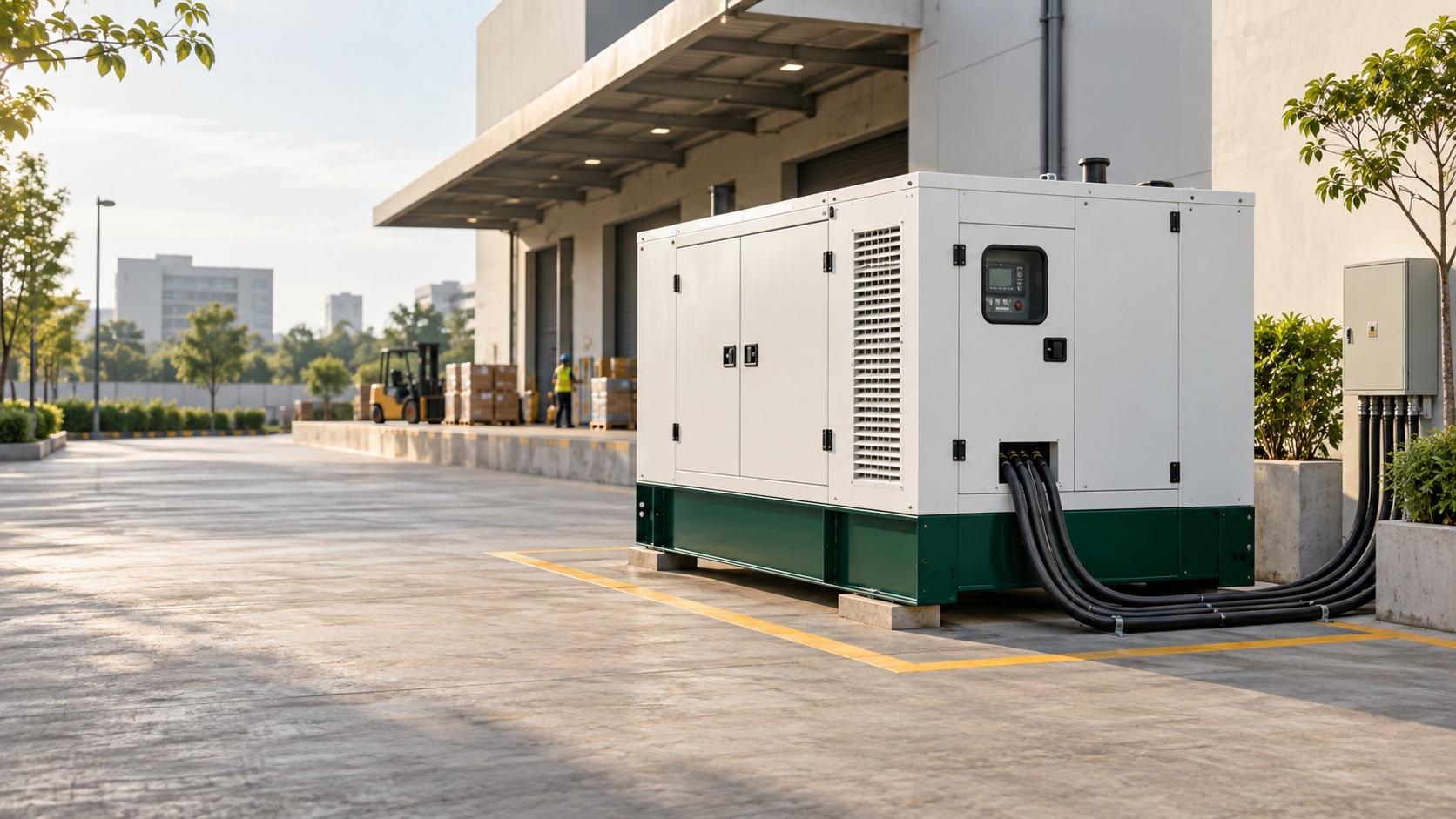
Industrial generator rental needs a brief that connects the site's production or facility requirement with an assessed temporary power arrangement. Describe the activity to be supported, the available equipment information, the expected operating pattern and the people responsible for deployment. A clear brief gives the rental and technical teams a stronger basis for evaluating equipment and service scope than a capacity request alone.
Start industrial generator rental with the operating activity
Explain whether the requirement relates to a planned project, a temporary facility arrangement or backup for an existing operation. Identify the activities that depend on the proposed supply and the business contacts who can confirm their priorities. Keep those priorities separate from an assumption about the equipment required.
Ask the relevant electrical professional to assess the load information and proposed arrangement. Production machinery, building services and other site equipment can involve different operating patterns and starting requirements. The procurement team should bring accurate information into that assessment rather than selecting a unit from an incomplete equipment total.
Identify the interfaces with the existing site
Describe the people responsible for the generator, electrical distribution, site access and the activity being supplied. Ask the technical team to identify the assessments and coordination needed where the temporary arrangement meets existing equipment. These interfaces should be visible before mobilisation is treated as ready.
Maintain a list of open dependencies. Installation access, an operating location or a connection arrangement may still need confirmation from another team. An open question in the brief is useful when it has an owner; it becomes a problem when the quote silently assumes it has been resolved.
Make logistics part of the evaluation
Provide the current delivery address, relevant entrance and access contact. Ask the rental partner what information it needs to assess transport, handling and the proposed equipment location. The appropriate teams should review the actual site rather than relying on a general description such as factory access available.
Discuss the deployment programme and the activity that must be coordinated around it. Keep provider confirmations separate from internal target dates. If another contractor's work changes the programme, update the rental and technical teams before treating the original plan as current.
Document support throughout operation
Ask who manages operating records, fuel arrangements, planned service access and incident communication. Confirm the support scope and the route for requesting changes. A site operating through changing shifts needs a contact record that can be used by the next responsible person, not just the supervisor who booked the equipment.
When production requirements change, record the revised brief and ask for the appropriate technical and commercial review. Extra equipment or a different operating pattern can affect the assessed arrangement. Treat that review as part of managing the rental rather than a separate discussion after an issue occurs.
Compare proposals against a shared scope
- Activity, load information and assessed operating requirement.
- Proposed equipment and unresolved technical questions.
- Delivery, handling, installation and collection responsibilities.
- Fuel, operating support and maintenance arrangements.
- Change process, support contacts and required handover records.
Ask each provider to identify its assumptions beside the commercial proposal. That makes it easier to compare the complete arrangement and to recognise when an unanswered site question could change the price or deployment plan.
Common questions about industrial generator rental
Is the generator capacity the only information needed for a quote?
No. Describe the equipment, operating activity, timing and site conditions. The technical assessment and complete service scope need more information than a capacity label alone.
Who should assess the connection to existing site equipment?
The relevant qualified electrical personnel should assess the proposed arrangement. Procurement and operations teams support that process by supplying current equipment and operating information.
Can one quote cover several industrial locations?
Ask for the scope and assumptions for each location. Site access, operating requirements and support arrangements should be confirmed rather than copied from another destination.
What happens if the production programme changes?
Update the written brief and contact the responsible rental and technical teams. Ask whether the change requires a revised assessment, equipment proposal or commercial arrangement.
How should support responsibilities be recorded?
Keep the agreed scope, current contacts and escalation route with the rental record. Make the information available to the people managing the site across shifts.
What should remain after the rental ends?
Retain the agreed scope, relevant operating and service records, and collection handover. Record unresolved commercial or equipment questions with an owner for follow up.
Build the enquiry around the operation
Bring the production brief, site dependencies and technical contacts into the same discussion. That gives the equipment proposal a clearer relationship to the work it is meant to support.
Share your equipment list, operating programme and site details with BorrowBox. Discuss generator rental for your site